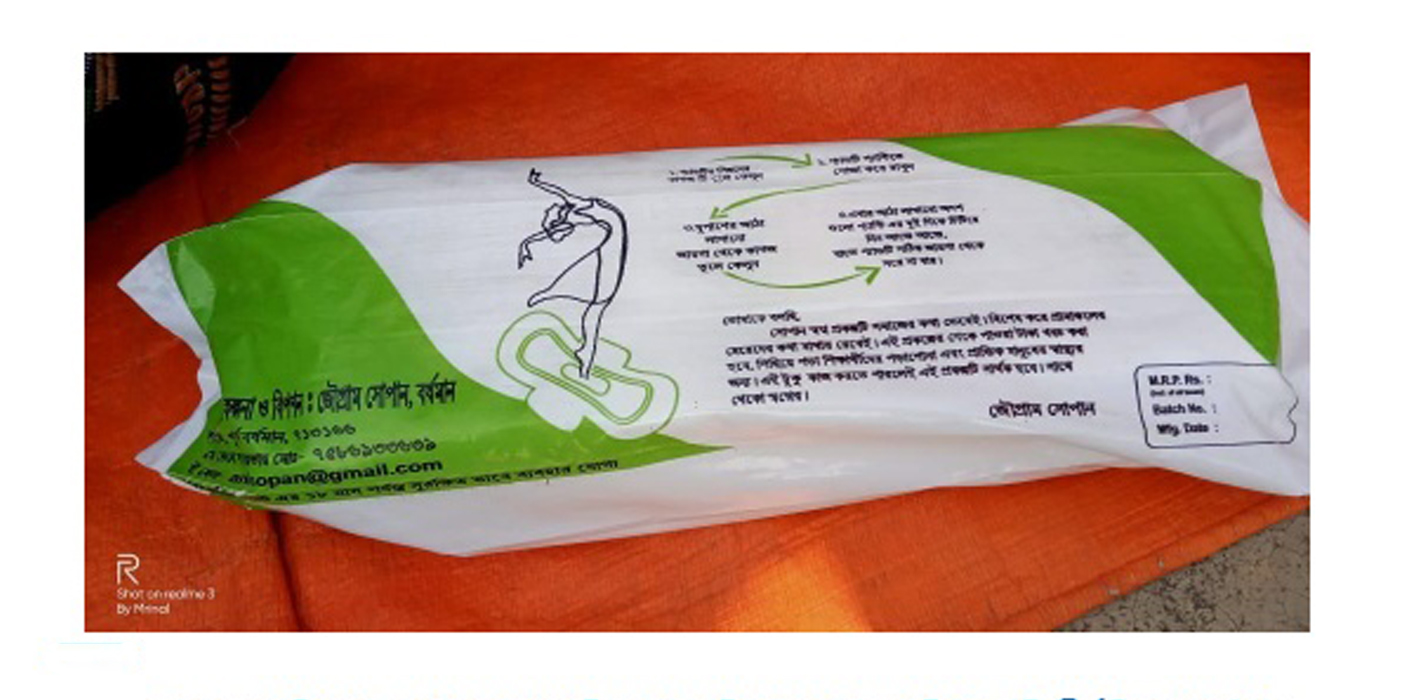
Sopan Swapna
"Sopan Swapna" (The Dream of Sopan) is a courageous initiative dedicated to one of the most neglected aspects of rural healthcare: menstrual hygiene and women's wellness. For decades, the silence surrounding menstruation in rural Bengal has led to a cycle of shame, health complications, and educational setbacks for young girls. Many were forced to use unhygienic alternatives during their periods, leading to frequent infections and a lack of dignity. We launched this project with the dream of a community where menstruation is viewed as a natural biological process, free from stigma and health risks.
Our program is designed as a three-tier intervention: awareness, access, and advocacy. We conduct intensive, female-led workshops in local schools and community centers, providing scientifically accurate information about menstrual health, puberty, and sanitation. These workshops are safe spaces where girls can ask questions they previously felt were 'forbidden'. We use visual aids and storytelling to deconstruct myths and superstitions that have been passed down through generations. By educating young girls, we are breaking the intergenerational cycle of misinformation.
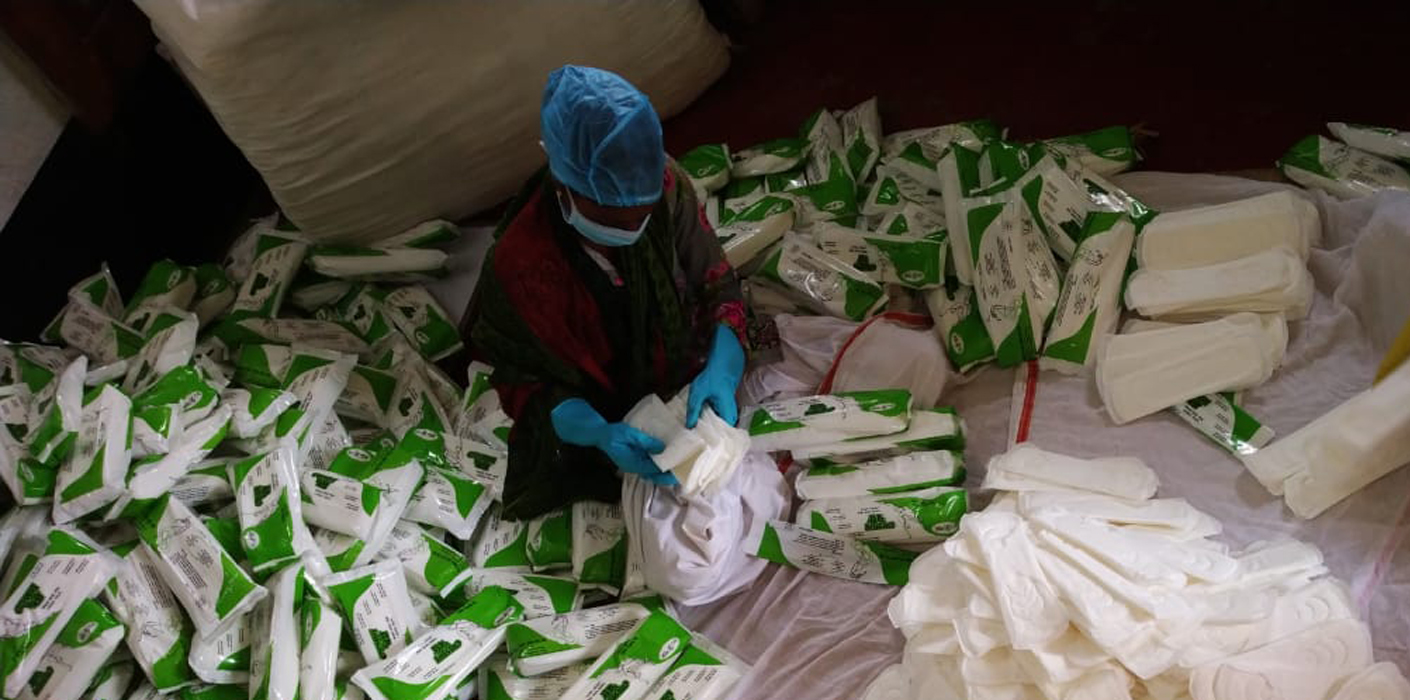
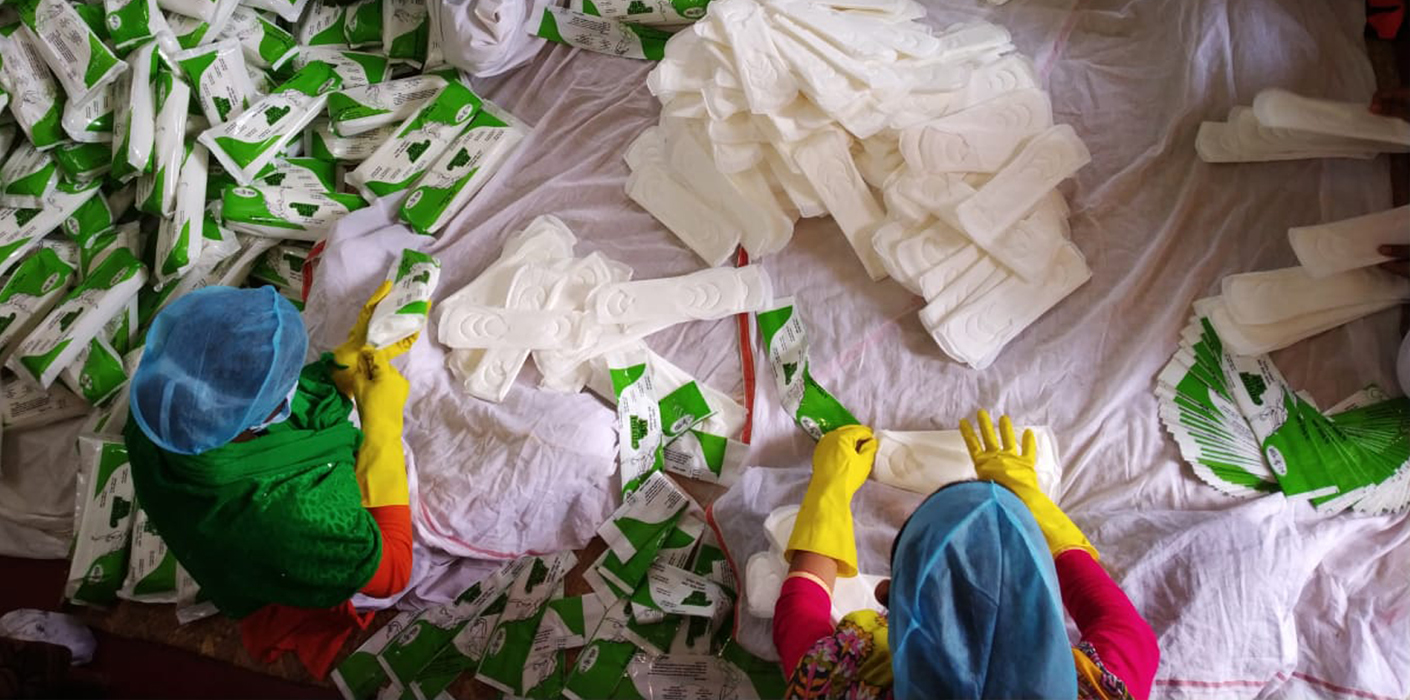
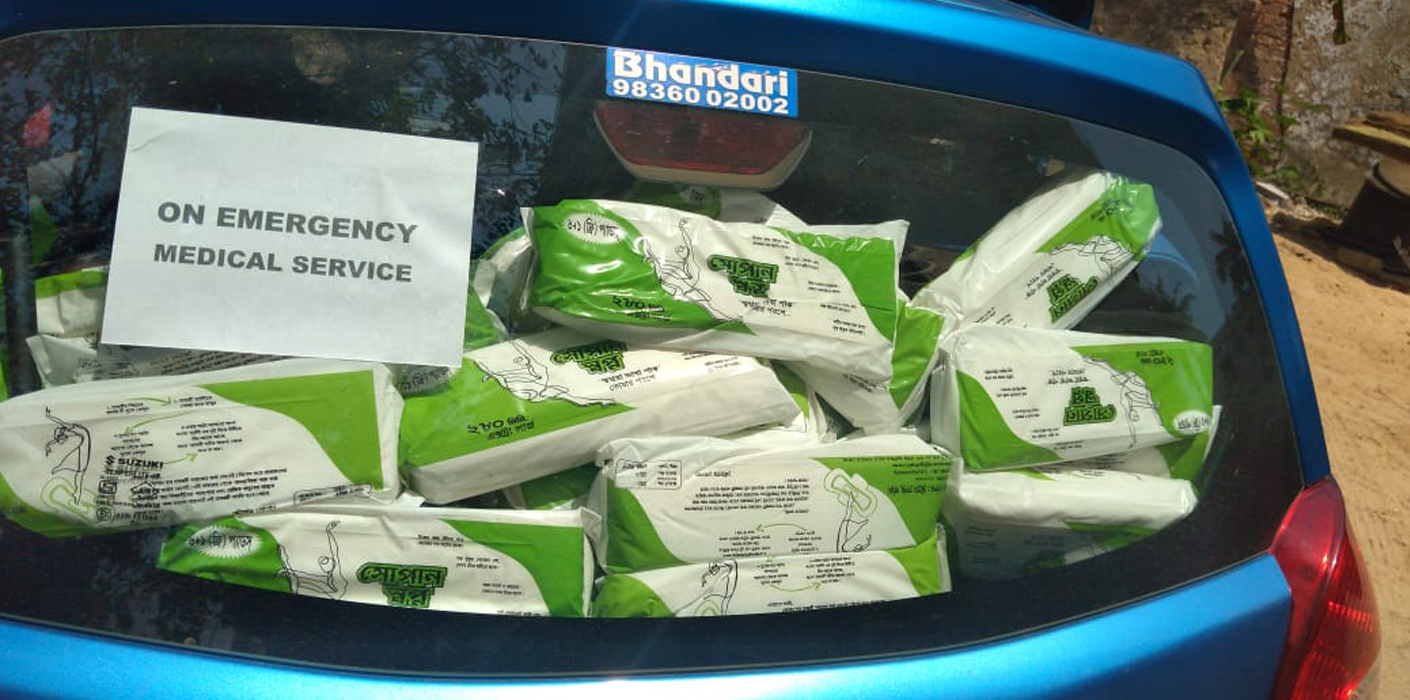
Access is the second pillar of Sopan Swapna. We realized that awareness alone isn't enough if hygienic products are unaffordable or unavailable. We established a local, community-based distribution network that provides high-quality sanitary napkins at subsidized rates. Beyond just distribution, we are also focusing on the environmental impact, teaching proper disposal methods and introducing eco-friendly, biodegradable options. We believe that a woman's health should never be compromised by her economic status, and we are working tirelessly to ensure that every girl in our region has what she needs to stay healthy and confident every day of the month.
The long-term impact of Sopan Swapna is already becoming evident in school registers. Attendance among adolescent girls has seen a marked improvement, as they no longer need to stay home for several days each month. We are also seeing a shift in the local dialogue; mothers who once told their daughters to hide are now coming to our workshops to learn alongside them. This project is not just about hygiene products; it's about reclaiming dignity, promoting bodily autonomy, and ensuring that no girl's dream is ever put on hold because of a period.
"Dignity is not a luxury; it is a fundamental right for every girl, and it starts with her health."
Challenge & Solution
The primary challenge was the deep-seated 'culture of silence'. Discussing menstruation was considered taboo even within families, making it extremely difficult to organize our first few workshops. We overcame this by first engaging with ASHAs and local health workers who held the community's trust. We also involved sympathetic female teachers in schools to act as bridge-builders. Another challenge was the disposal of used products in villages without formal waste management. We solved this by installing small, discreet incinerators in local schools and conducting workshops on eco-friendly disposal techniques.
Final Result
To date, Sopan Swapna has reached over 2,000 girls and women across 12 villages. We have successfully conducted over 60 awareness camps and established 5 permanent distribution points. Surveys show a 70% increase in the usage of hygienic napkins among our target group and a 15% reduction in hygiene-related school absenteeism. Most importantly, the project has fostered a new sense of openness; girls are now forming 'Wellness Clubs' in their schools to support each other, signaling a permanent cultural shift towards better health and self-respect.
Our Next Chapter
Future RoadmapWe are currently planning to set up a small-scale manufacturing unit in Jaugram to produce low-cost, high-quality biodegradable sanitary napkins. This unit will be run by a local women's self-help group, providing both health solutions and economic empowerment to the community.